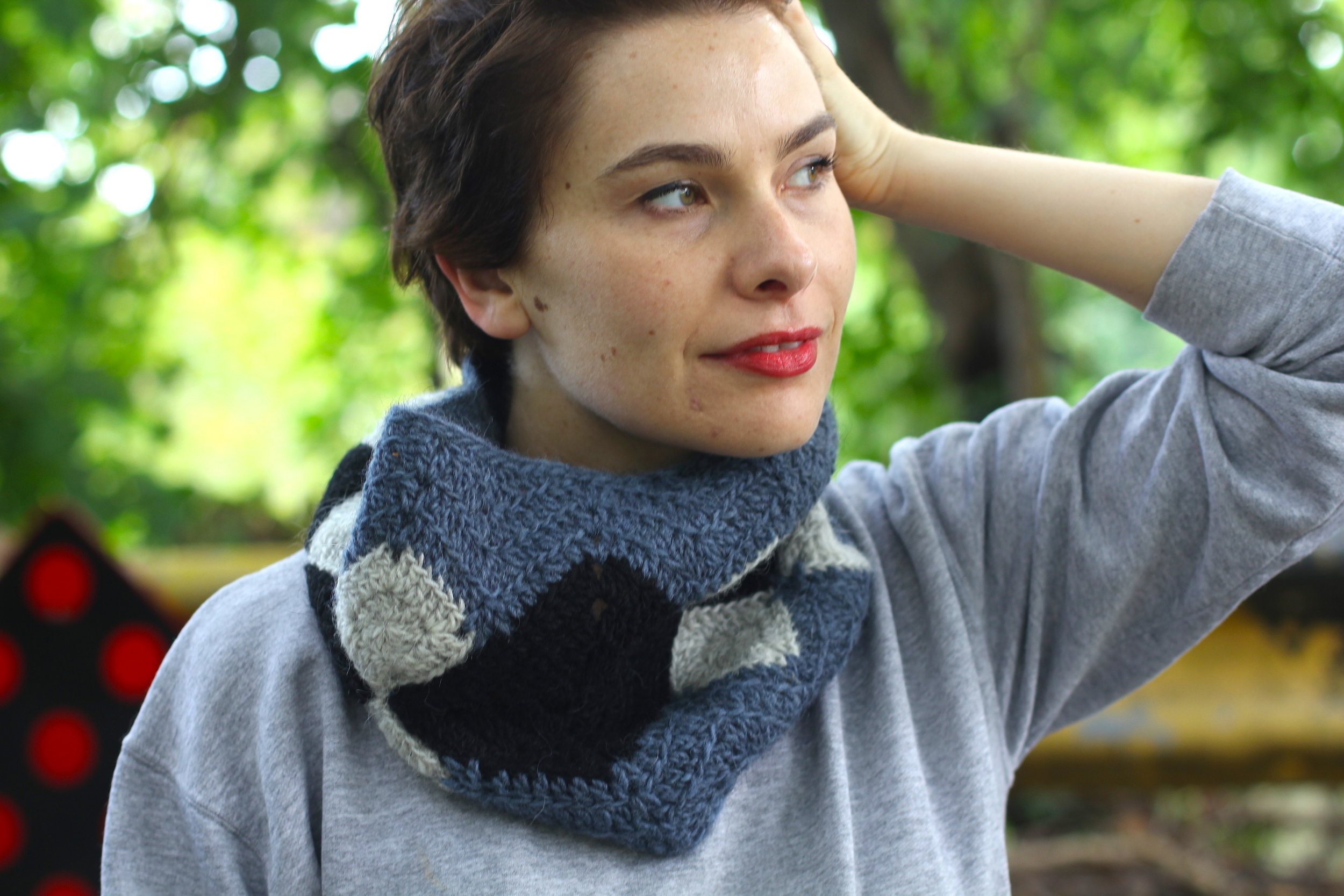
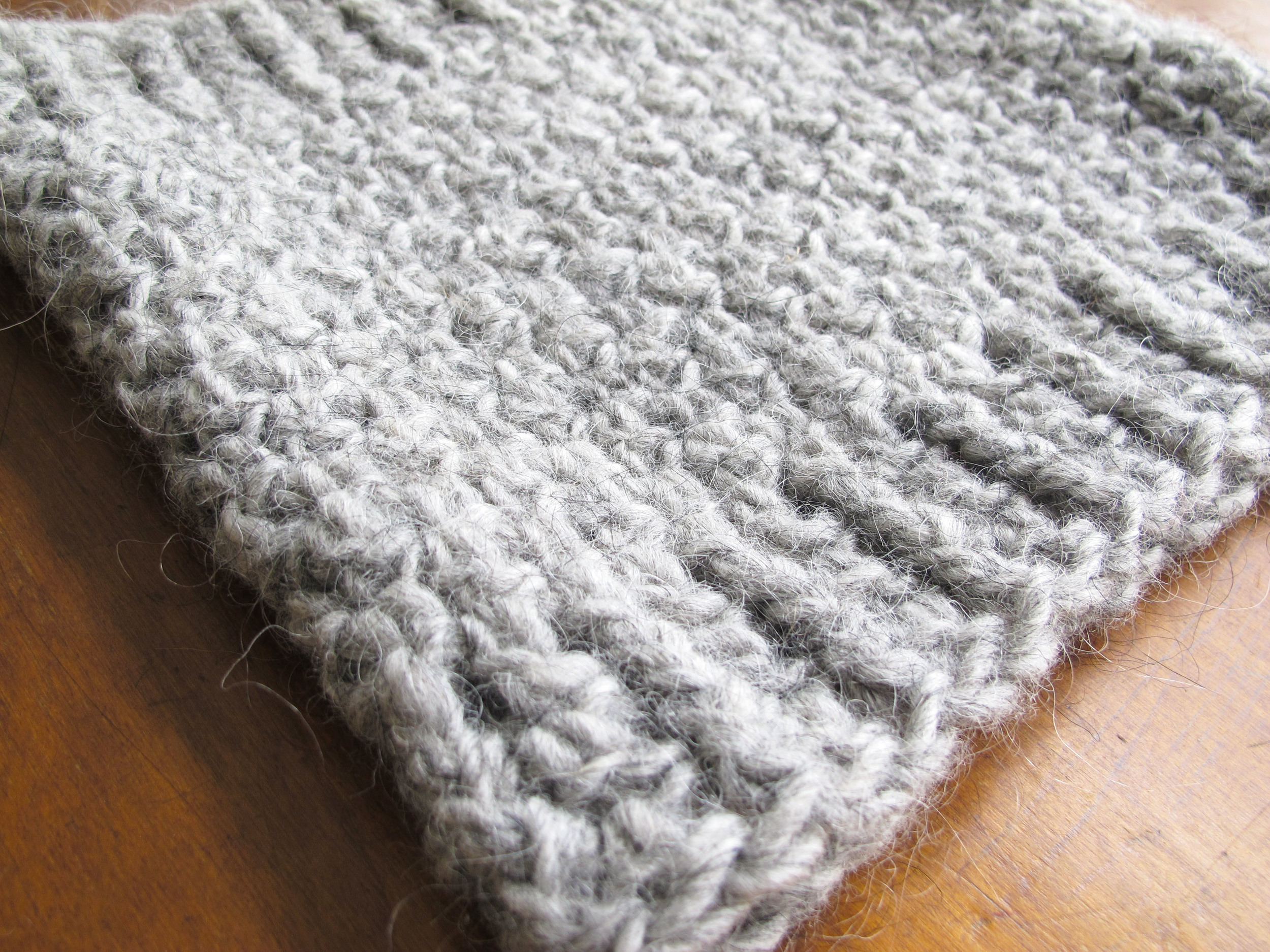
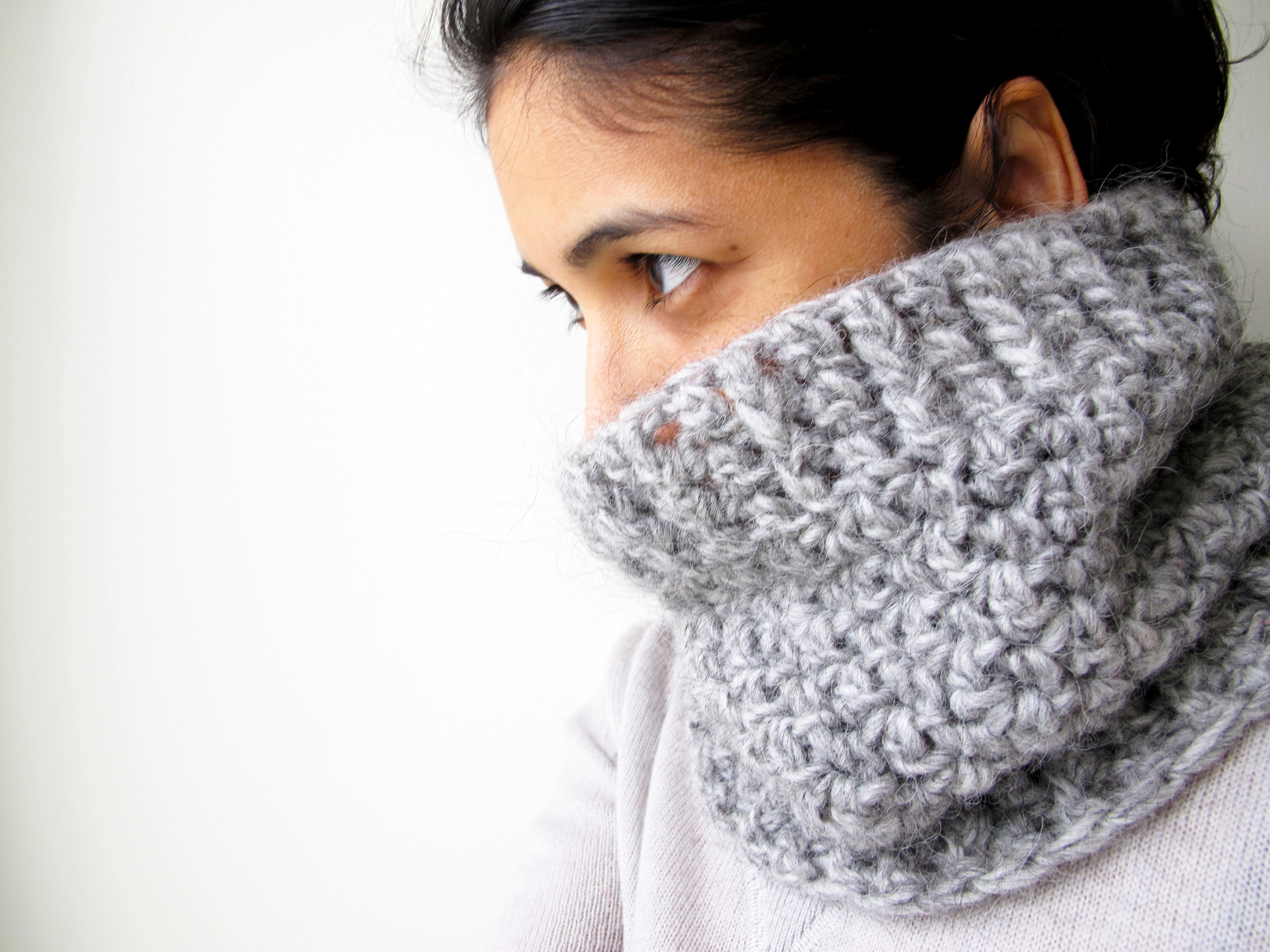
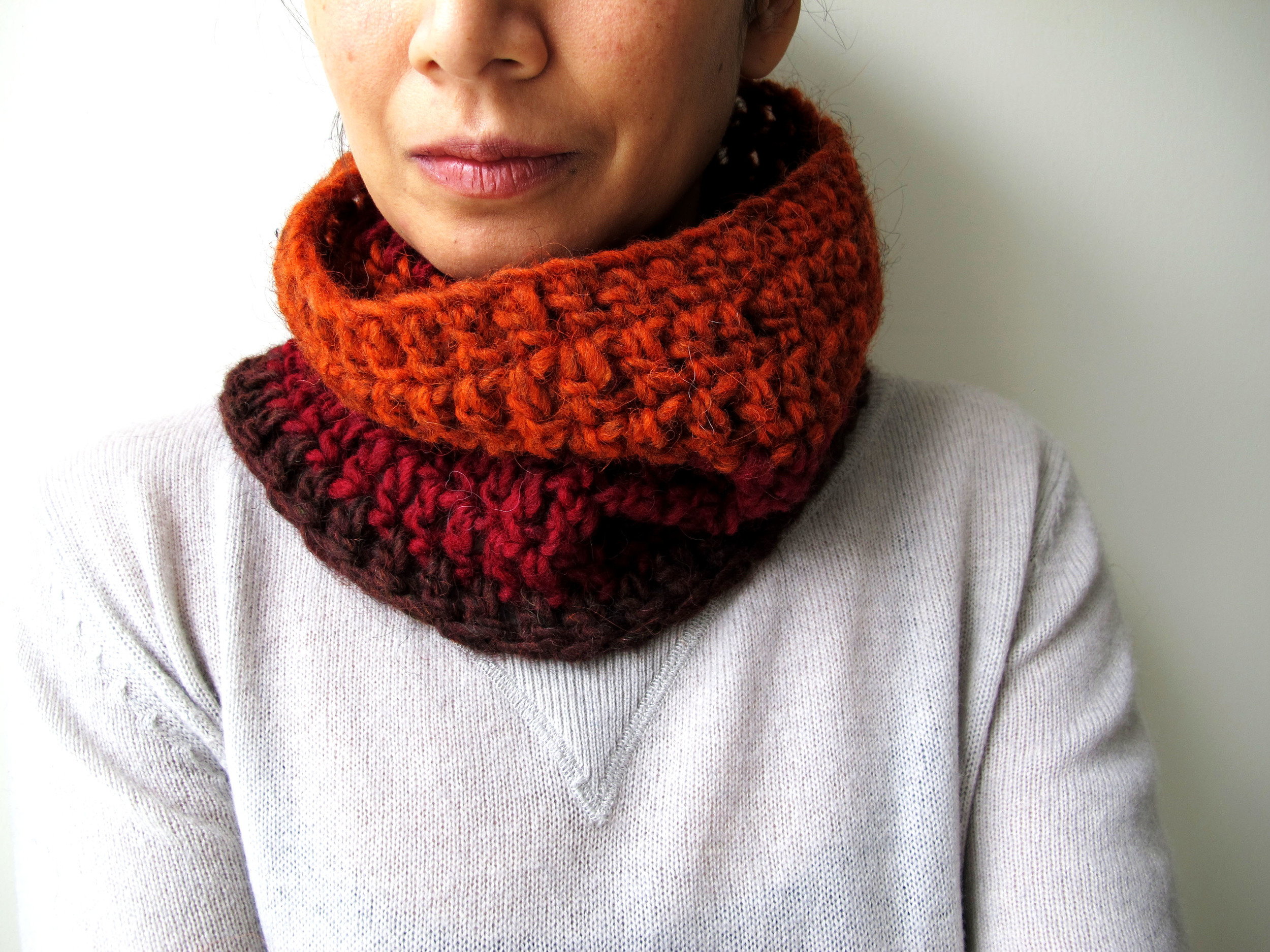
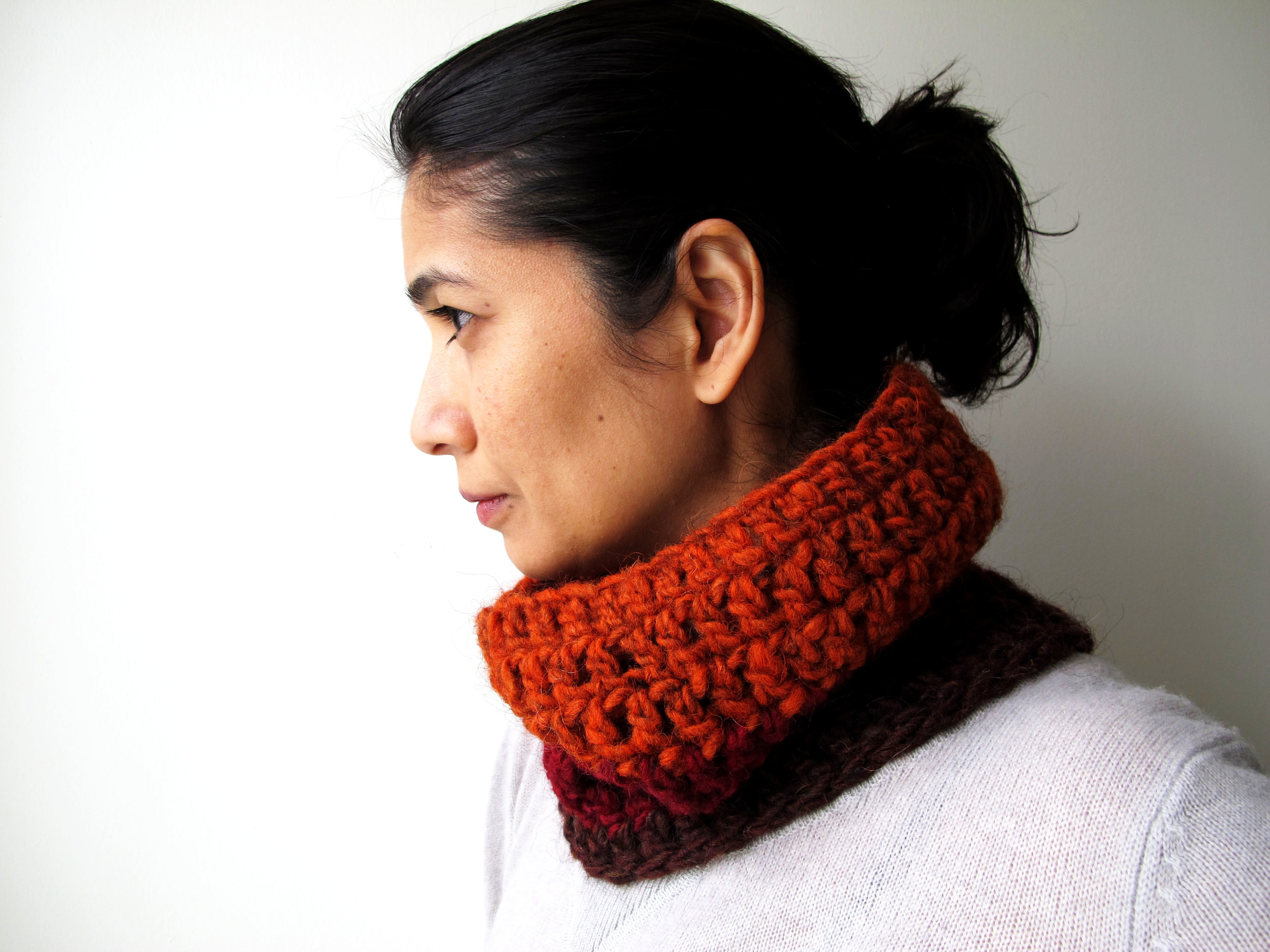
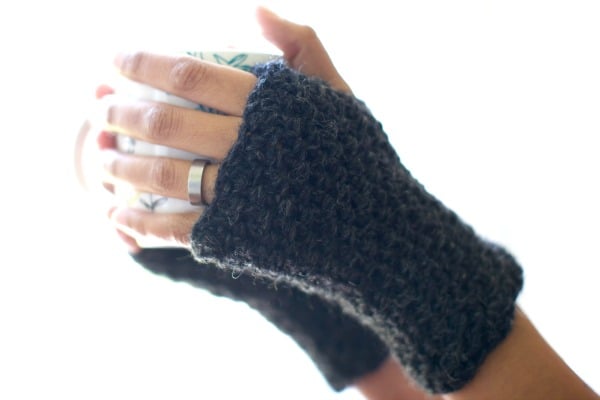
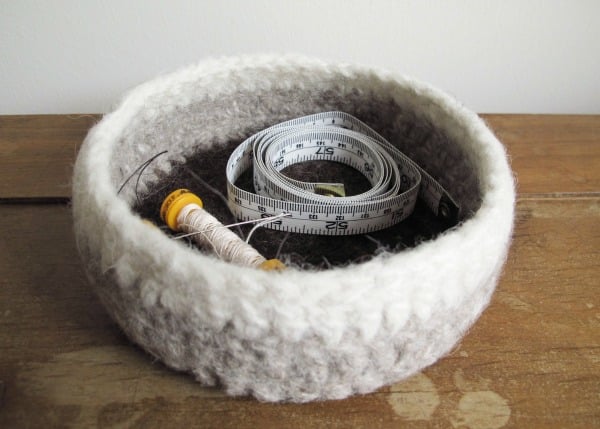
But then it happened to me. Or at least I felt like it was happening to me. I saw an Instagram post from someone I admired (and with many thousands of followers to boot) promoting a pattern that was strikingly similar to one I had posted here as a free "recipe" almost two years back and that had become quite popular on Pinterest. I was gutted. I had a visceral reaction, and in my mind (and out loud to my husband) I went to that place - that indignant, accusing, wounded place.
Of course it's very likely that this person didn't consciously "copy" anything at all, let alone my work specifically, but simply saw something somewhere that inspired her. Isn't that true for all of us? We consume mostly the same online media, read the same blogs, repin the same Pinterest pins, listen to the same podcasts - and we are consciously or subconsciously guided by the same trends and by what we think is beautiful, inspiring, interesting, or whatever it may be. After all, I was inspired by something I saw and wanted to make in my own way. Was that any different?
Even so, it stung. But why? I was happy to see people remixing, altering, sharing, and selling finished items before, so why not now? When I write patterns or “recipes” for the things I make, some basic guidelines help me decide what to share freely (with credit where due) vs. what I might produce as a paid pattern. So part of my indignation was that this person didn't play by my rules (which of course is a ridiculous thing to expect). But more than that, it was that she successfully staked a claim and capitalized on the idea where I did not. I felt slighted because I felt... envious. That is not something I'm proud to admit.
The whole experience made me think a little more deeply about why I do this, what I want from it, and what I value. It also reminded me that a) the idea was never "mine" to begin with and besides, ideas are not a finite resource - there are plenty to go around, b) comparing ourselves to others is futile, though competition can drive us to do better, and c) I'm human and sometimes emotion wins out over logic, but taking a step back and asking why helps to see things more clearly.
At the end of the day (and this very long post - thank you if you're still reading!), this advice from the late Paul Arden, from his brilliant little book It‘s Not How Good You Are, It‘s How Good You Want To Be, is worth keeping in mind: